April 8, 2026
Modern homes face increasing challenges related to moisture intrusion and poor indoor air quality. Excess humidity, leaks, and inadequate ventilation can create a harmful environment, leading to mold growth, structural damage, and respiratory concerns. A professional local insulation company plays a vital role in addressing these issues. Investing in high-quality insulation not only enhances comfort and energy efficiency but also supports long-term protection for your home and the wellbeing of its occupants.
The Role of Insulation in Controlling Moisture
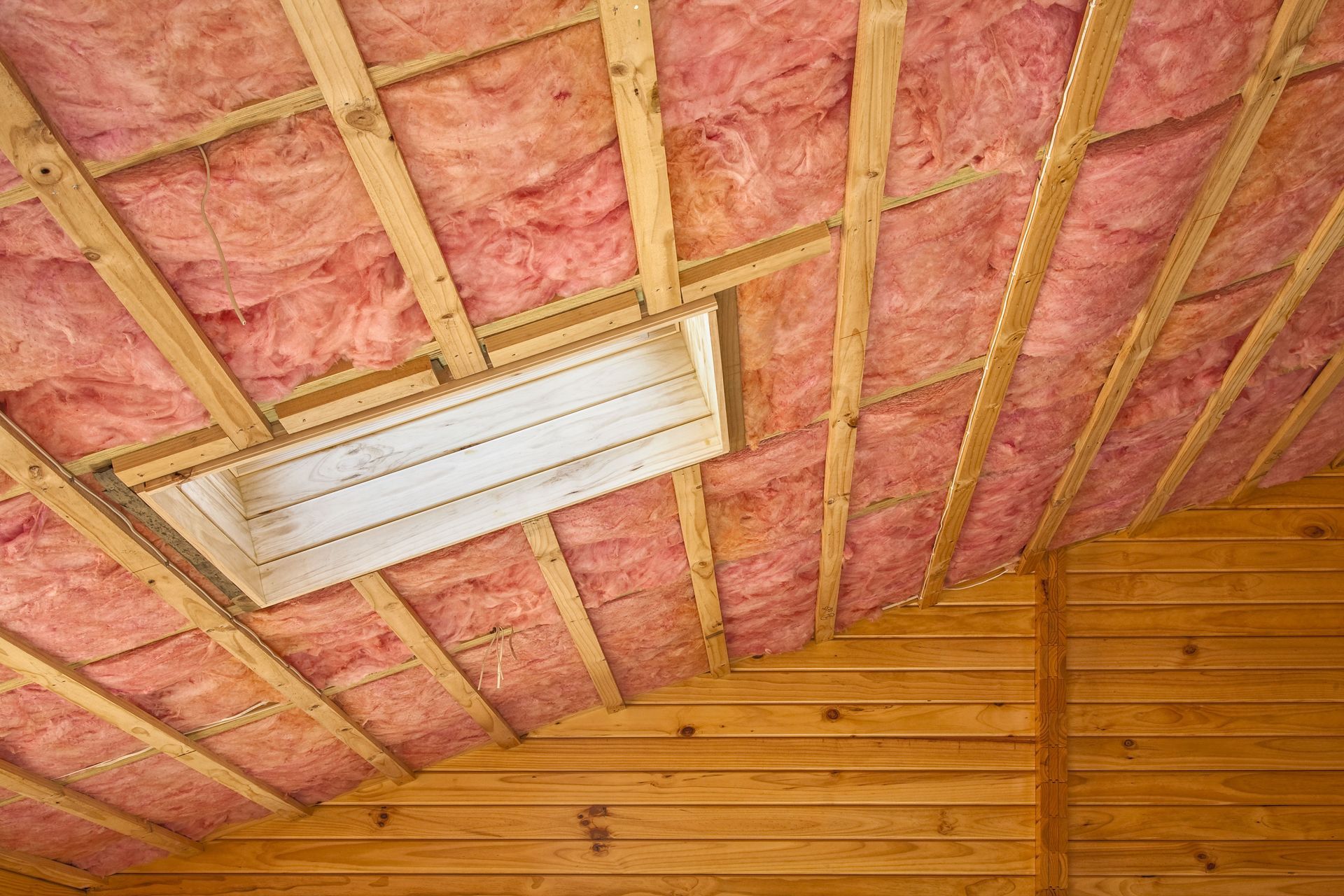
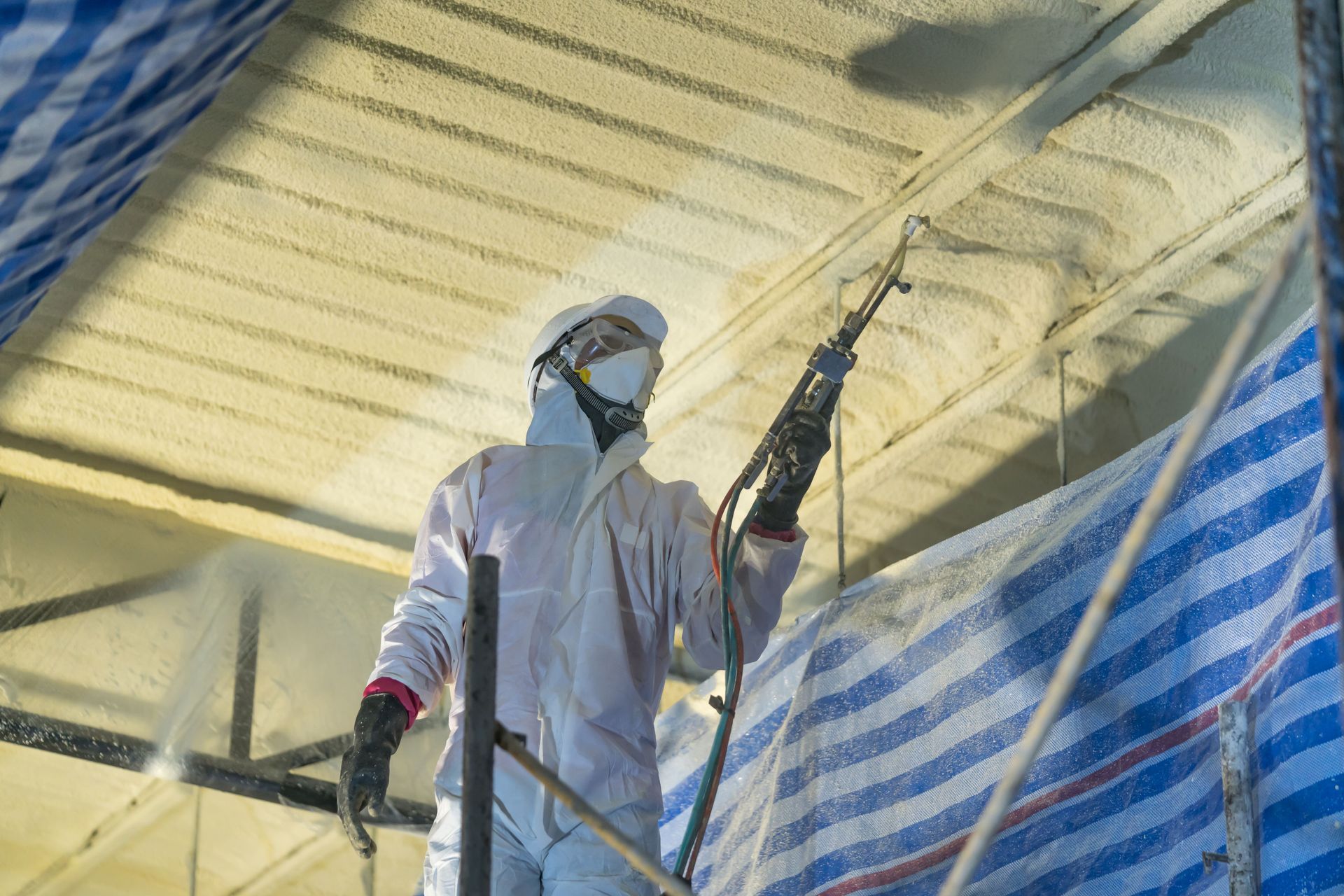
Insulation acts as a barrier that regulates temperature and prevents condensation, which is a leading cause of moisture-related problems. When warm, humid air meets a cold surface, condensation forms, promoting mold growth and material deterioration. Proper insulation reduces thermal bridging and stabilizes interior temperatures, keeping surfaces warmer and drier. Additionally, specialized insulation materials, such as closed-cell spray foam or moisture-resistant fiberglass, can resist water absorption and prevent mold development. By managing moisture effectively, professional insulation safeguards structural components, maintains the integrity of walls and ceilings, and creates a healthier indoor environment.
Reducing Condensation and Water Damage
Condensation occurs when temperature differences cause water vapor to accumulate on surfaces, often leading to paint damage, warped wood, and mold. Insulation mitigates these risks by maintaining consistent temperatures throughout walls, attics, and floors. For example, continuous insulation in the building envelope prevents cold spots where moisture can collect, while vapor barriers integrated with insulation further reduce humidity migration. By minimizing condensation, a professional local insulation company protects your property’s interior finishes and structural components, extending their lifespan and reducing costly repairs caused by moisture-related damage.
Improving Indoor Air Quality
Indoor air quality is strongly influenced by insulation’s ability to control moisture and prevent mold growth. Damp, poorly insulated areas create environments where allergens, bacteria, and mold spores thrive. By maintaining dry and thermally stable surfaces, insulation reduces the potential for airborne contaminants that can trigger asthma, allergies, and respiratory issues. Additionally, insulation contributes to better air sealing, reducing infiltration of outdoor pollutants, dust, and pollen. Homes with properly installed insulation support cleaner, healthier air, creating a more comfortable and safe living environment for all occupants.
Energy Efficiency and Moisture Control
Energy-efficient homes are less prone to moisture problems because consistent indoor temperatures reduce condensation risks. A local insulation company helps lowers heating and cooling demands, keeping indoor temperatures stable and minimizing temperature fluctuations that can cause surface condensation. Energy-efficient insulation also allows HVAC systems to operate more effectively, reducing humidity levels by maintaining balanced airflow and ventilation. The combination of thermal efficiency and moisture control ensures that your home remains comfortable year-round, while also lowering energy costs and enhancing overall indoor air quality.
Choosing the Right Insulation Material
The type of insulation used significantly affects moisture control and air quality. Closed-cell spray foam is highly resistant to water absorption and acts as an effective air barrier, while fiberglass or mineral wool provides thermal regulation and can be treated to resist mold. Some materials also include built-in vapor barriers, preventing moisture migration through walls and ceilings. A professional local insulation company assesses your home’s needs and recommends materials that deliver optimal moisture resistance, thermal performance, and indoor air quality, ensuring that every area of your home is protected against potential environmental hazards.
The Role of Vapor Barriers and Insulation
Vapor barriers are critical in preventing moisture from entering wall cavities, attics, and crawl spaces. When installed alongside insulation, they help control humidity levels and minimize condensation risks. Without a vapor barrier, moisture can penetrate insulation, reduce its effectiveness, and create mold-prone conditions. Properly installed insulation combined with vapor barriers ensures that walls and ceilings remain dry and thermally stable. This approach protects the building structure, enhances energy efficiency, and improves indoor air quality, demonstrating how insulation contributes to both comfort and long-term health of the home environment.
Preventing Mold Growth
Mold thrives in damp, poorly insulated spaces, potentially causing health problems and property damage. By maintaining dry, temperature-controlled conditions, insulation reduces the likelihood of mold proliferation. Moisture-resistant insulation materials further prevent water accumulation, while proper sealing of gaps and air leaks reduces humidity buildup. A professional local insulation company installs insulation in a way that minimizes mold risks. A well-insulated home is less susceptible to fungal growth, creating a healthier living environment, safeguarding the structure of the home, and protecting occupants from allergens and respiratory issues linked to mold exposure.
Enhancing Comfort Through Temperature Control
Insulation provides a consistent indoor climate by minimizing heat transfer between exterior and interior spaces. Stable temperatures reduce areas where condensation can form, indirectly supporting moisture control and better air quality. Residents experience fewer drafts, cooler summers, and warmer winters, enhancing overall comfort. Properly installed insulation also reduces the load on HVAC systems, ensuring efficient operation and optimal humidity management. By maintaining steady indoor conditions, insulation not only improves energy efficiency but also creates a healthier and more comfortable environment for occupants, reducing the likelihood of moisture-related issues that can compromise indoor air quality.
Insulation in Attics and Crawl Spaces
Attics and crawl spaces are particularly vulnerable to moisture accumulation, temperature fluctuations, and poor ventilation. Insulation in these areas is essential to prevent condensation, protect structural components, and control humidity. A professional local insulation company will install materials such as spray foam, fiberglass, or mineral wool to create a thermal barrier that keeps cold surfaces warm and reduces moisture buildup. Sealing air leaks in these areas further prevents water vapor infiltration. Properly insulated attics and crawl spaces contribute to overall home health, energy efficiency, and indoor air quality, addressing potential moisture problems before they affect living spaces.
Sealing Air Leaks for Moisture Control
Air leaks allow humid outdoor air to enter the home and condense on cooler surfaces, increasing moisture-related risks. Professional insulation installation identifies and seals gaps around windows, doors, vents, and joints, preventing infiltration. Air sealing works in conjunction with insulation to maintain consistent temperatures, reduce condensation, and limit the entry of pollutants. This combination supports indoor air quality by keeping allergens and contaminants outside. By addressing both thermal performance and air sealing, insulation contractors create a moisture-resistant building envelope that promotes a healthier and more energy-efficient living environment.
Basement Moisture Control
Basements are prone to humidity, water seepage, and mold growth due to their proximity to the ground. Proper insulation helps regulate temperature and reduces condensation on walls and floors. Moisture-resistant materials, combined with air and vapor barriers, prevent water from compromising insulation performance. This approach protects structural components, prevents mold development, and maintains indoor air quality. A professional local insulation company will ensure that basement insulation is installed correctly, accounting for drainage, ventilation, and humidity levels. A well-insulated basement not only improves comfort but also serves as a healthy, functional space for homeowners.
Long-Term Benefits of Professional Insulation
Investing in professional insulation delivers long-term benefits for moisture control, indoor air quality, and energy efficiency. Homes maintain stable temperatures, reduce humidity-related damage, and experience fewer air quality issues. Properly installed insulation prolongs the lifespan of building materials by minimizing condensation and mold growth. It also reduces energy costs and supports a healthier environment for residents. By relying on professional expertise, homeowners ensure optimal material selection, proper installation techniques, and comprehensive protection against moisture problems. Insulation is not just an energy solution but a critical component of a safe and comfortable indoor environment.
Insulation plays a crucial role in maintaining moisture control and indoor air quality, safeguarding both the structure of your home and the health of its occupants. According to Grand View Research, the insulation market in the U.S. is expected to reach a projected revenue of $23,445.6 million by 2033, meaning proper installation for your home is readily available! Our local insulation company has served Omaha, NE homes and businesses since 1971. Contact Bonney Insulation today!